god
-
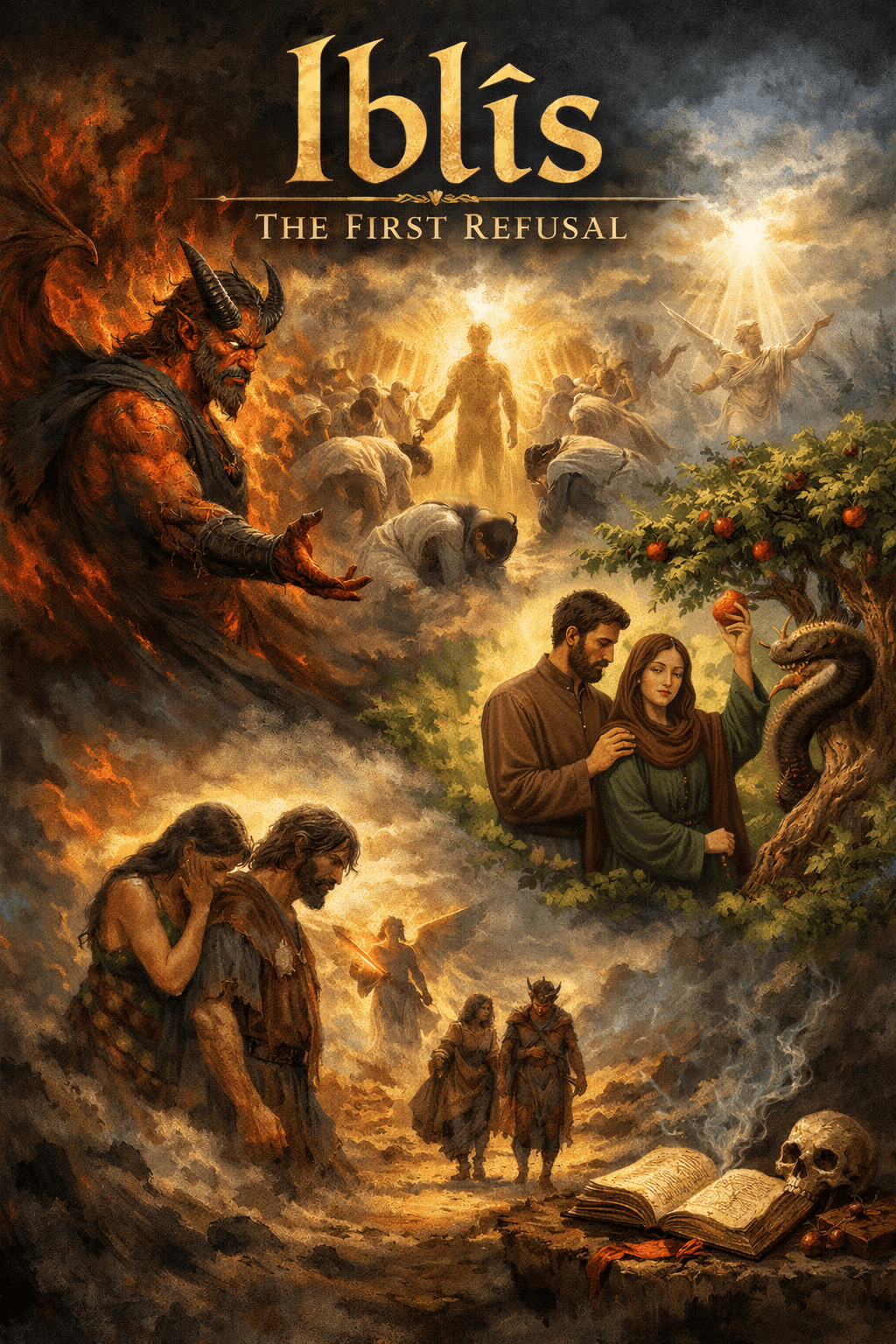
Iblees is the name of a Jinn whose title is ‘الشيطان’ (Al-Shaytaan). Jinn are a creation of God. They are made of fire and have freewill . One day, God informed the angels that he is creating man. When he commanded the angels and Iblees to bow down to man they all fell except Iblees.…
-
‘The Denial of Death’ by Ernest Becker is not the winner of the Pulitzer Prize for no reason. It is a masterpiece in analytical psychology that clearly presents the reader with an overview of the history of psychoanalysis. Becker begins by beautifully framing the human problem as one of ‘heroism’. This is the idea that…
-
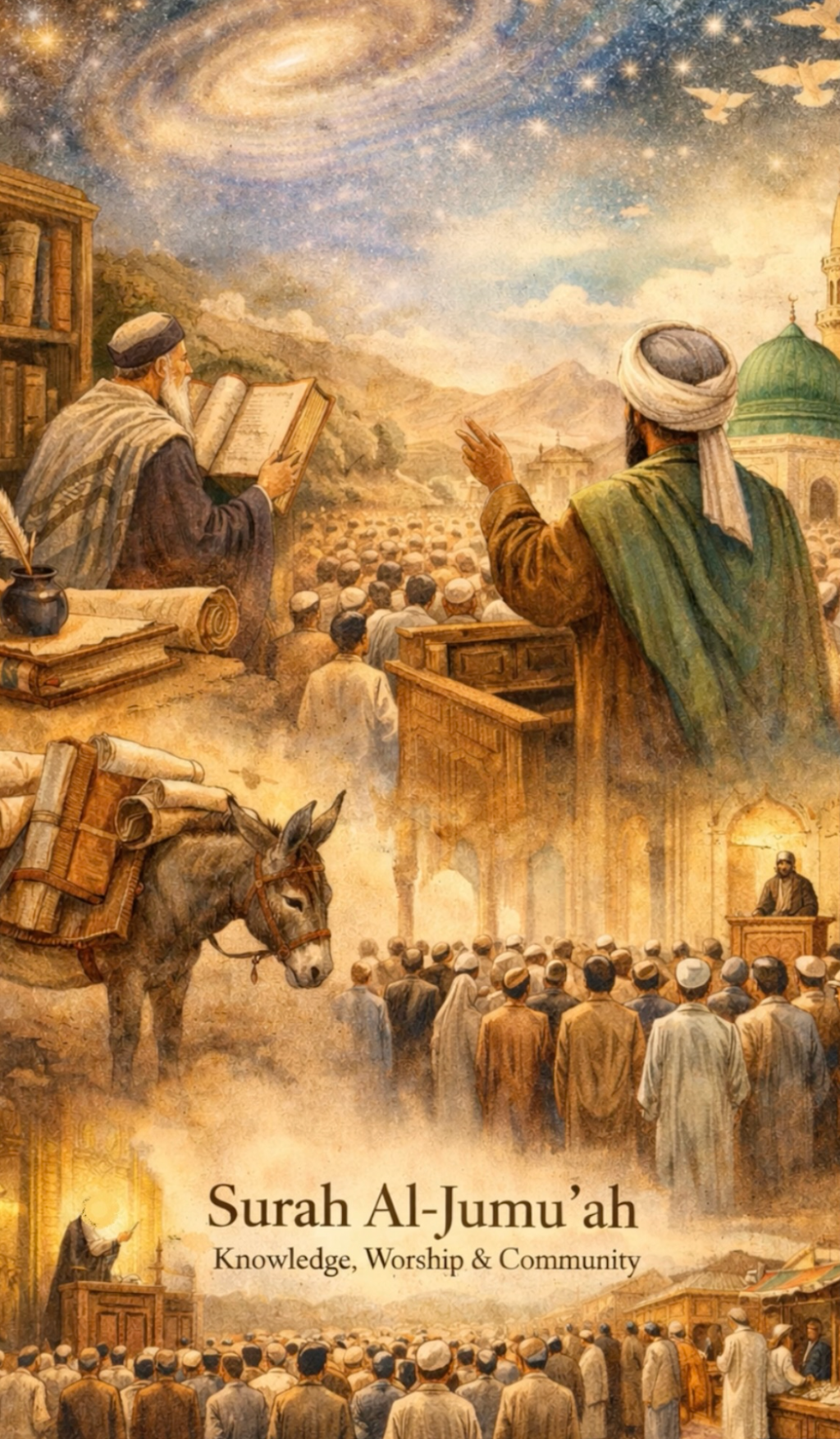
بِسۡمِ ٱللَّهِ ٱلرَّحۡمَٰنِ ٱلرَّحِيمِ Surah Jum’uah is a surah that was revealed in the madani period of prophethood, after the prophet Muhammad صلى الله عليه وسلم had to migrate from the city of Makkah to Medinah, which was originally called ‘Yathrib’. This surah begins, as is common in the ‘musabbahaat’ (glorifiers) surahs of the quran,…
-
Albert Camus (1913-1960) writes the Myth of Sisyphus. In this absurd book (which is meant as a compliment of coherence for Camus ideas), he explores the idea of how life has no purpose, and the truly ‘absurd’ man accepts this. His works can be seen when he totally divorces his hope, ideals, and actions from…
-
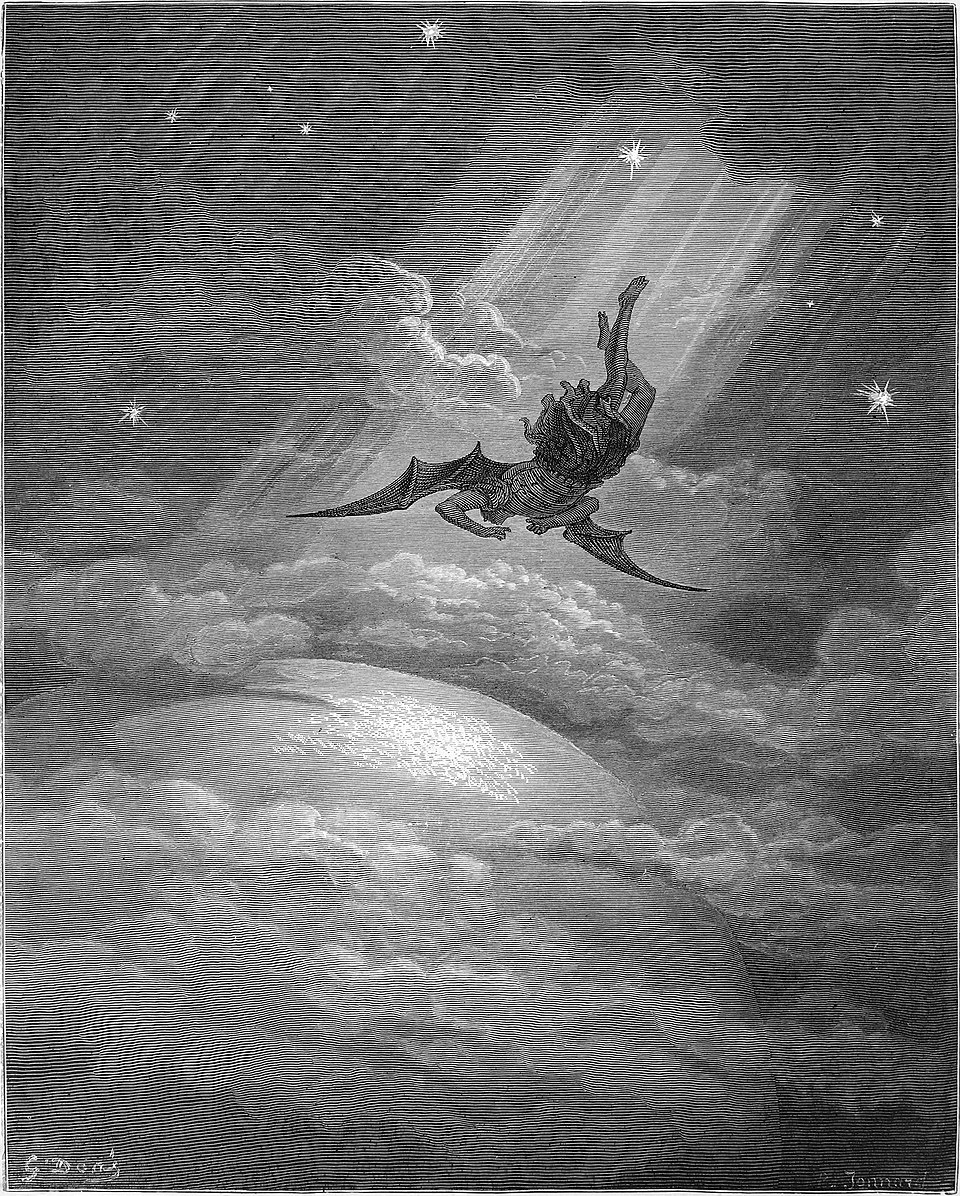
Long have I wished to read great poetry and recently had the chance to read John Milton’s Paradise lost and Paradise Regained. These two poems, consisting of 12 and 4 books respectively around 400 pages is a masterpiece in Literature, accessible to all; though some passages’ full effect will only be felt by a reader…
-

As human beings, we make choices every day. We have preferences for food, clothing, whom to engage with conversation with, whom to take as a friend, when to wake up, when to sleep, what to do with our time in between. The list is endless. Hopefully for those that are not contractually bound by another…
-
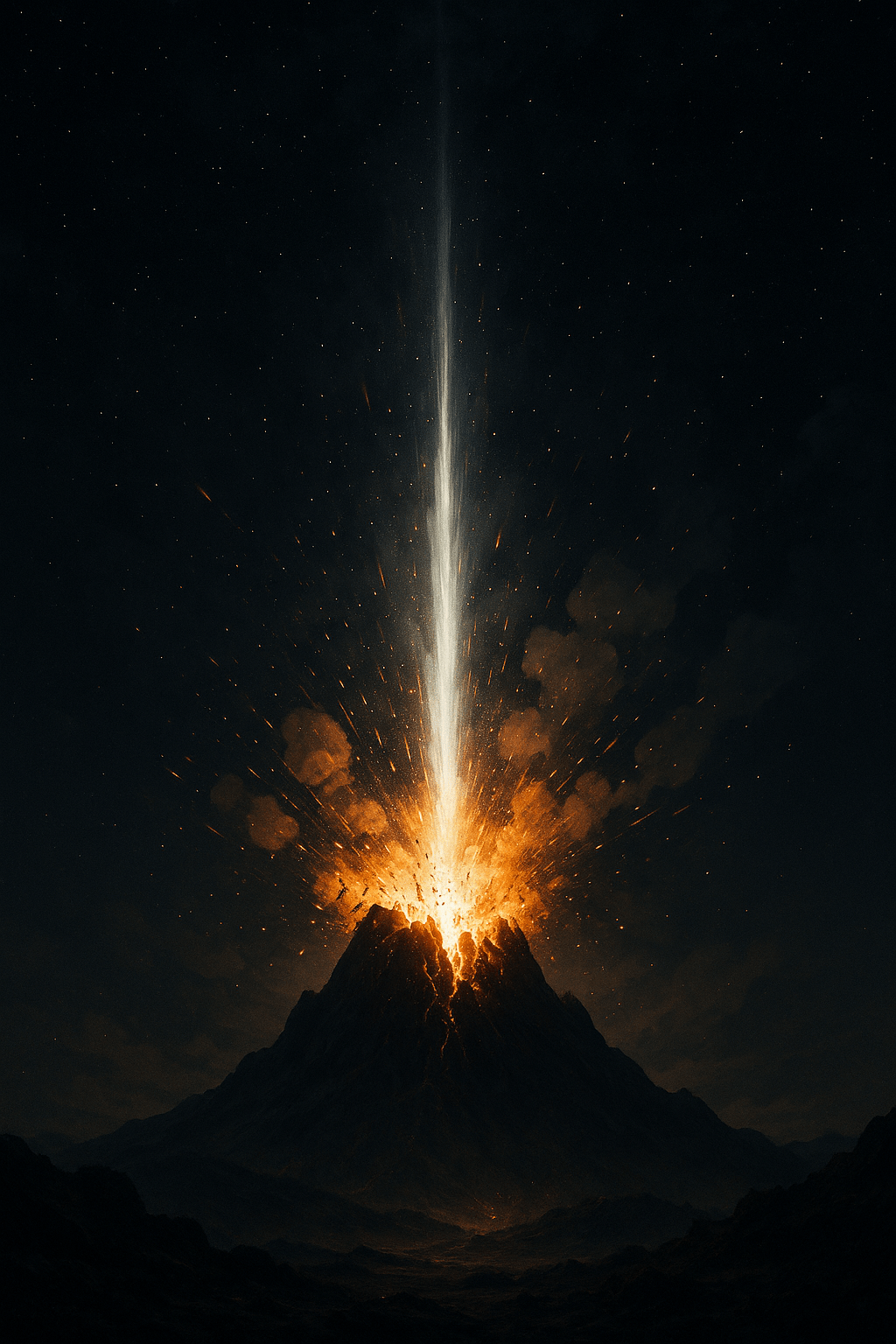
The Qur’an presents a striking paradox: God guides whom He wills and misguides whom He wills. This challenges the modern assumption that belief is a purely voluntary act—that one can simply “choose” to believe. I argue that belief, to be real, must be both epistemically grounded and ontologically complete. That is, it must arise from…
-
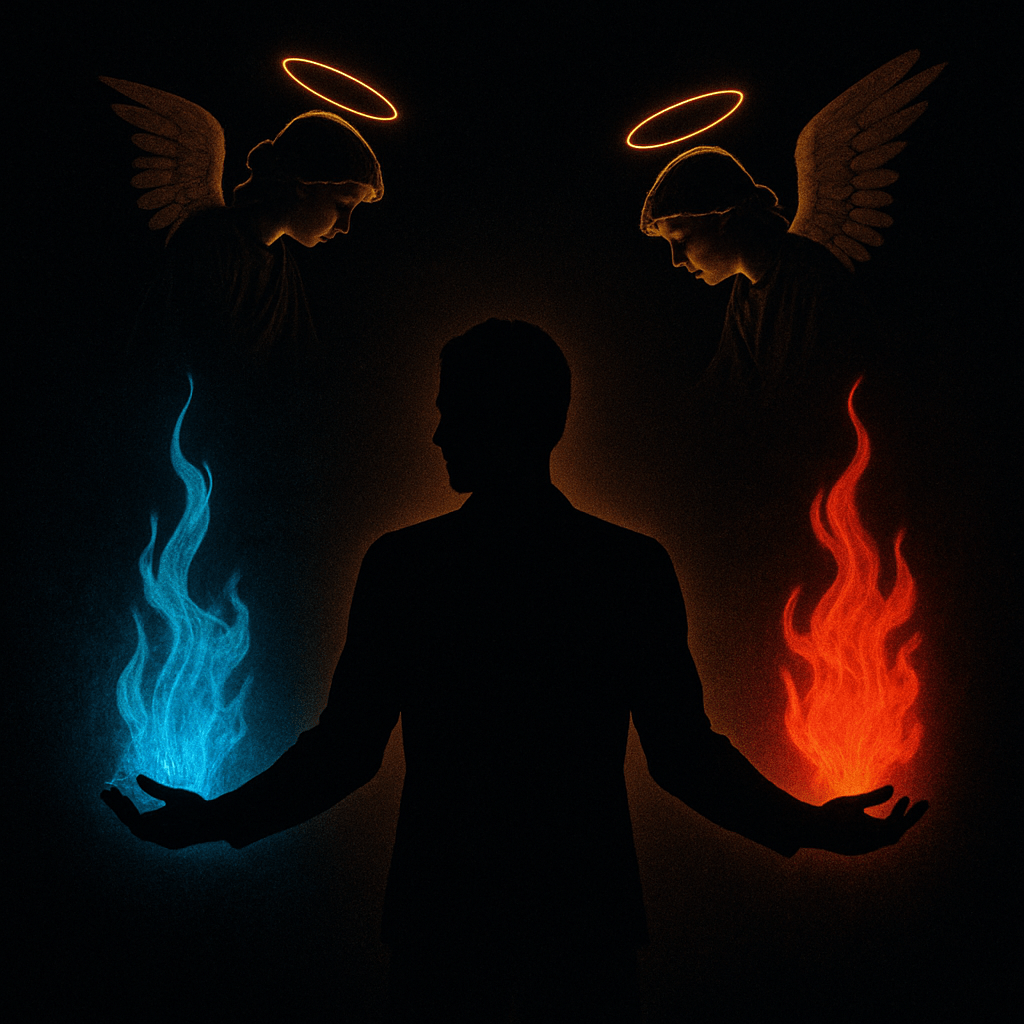
The very fact that you exist means that you must make choices. It is unavoidable. To be human is to decide. Almost tragically, even the refusal to choose is itself a choice—a surrender to drift. One may choose to heal or to harm, to wander aimlessly or to move with purpose, to waste the hours…
-
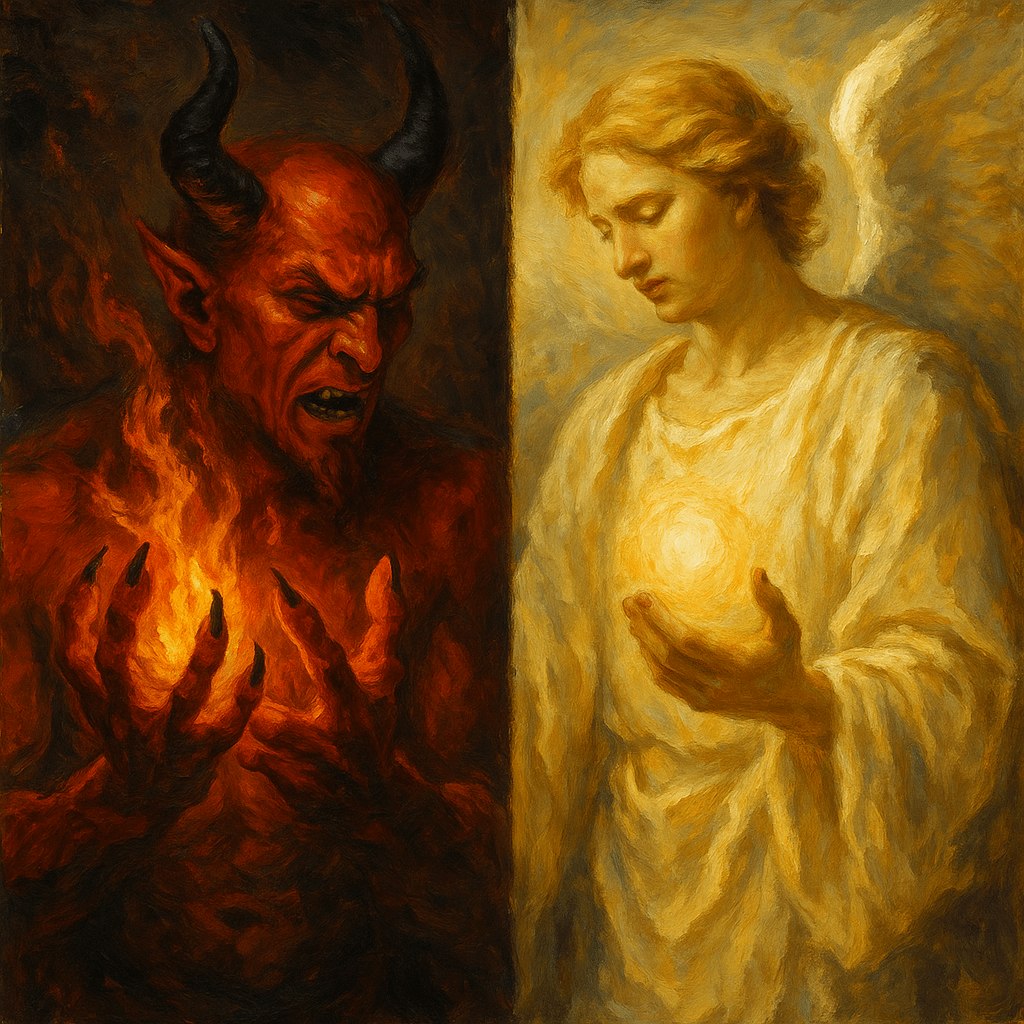
Introduction The modern world presents an unprecedented convergence of neuroscientific discovery and ancient theological wisdom. As algorithmic technologies, social media platforms, and dopamine-based reward systems increasingly shape human behavior, empirical findings begin to illuminate spiritual truths articulated centuries ago. Central to this intersection is dopamine—a neurotransmitter governing motivation, anticipation, and reward-seeking behavior. This article examines…
-
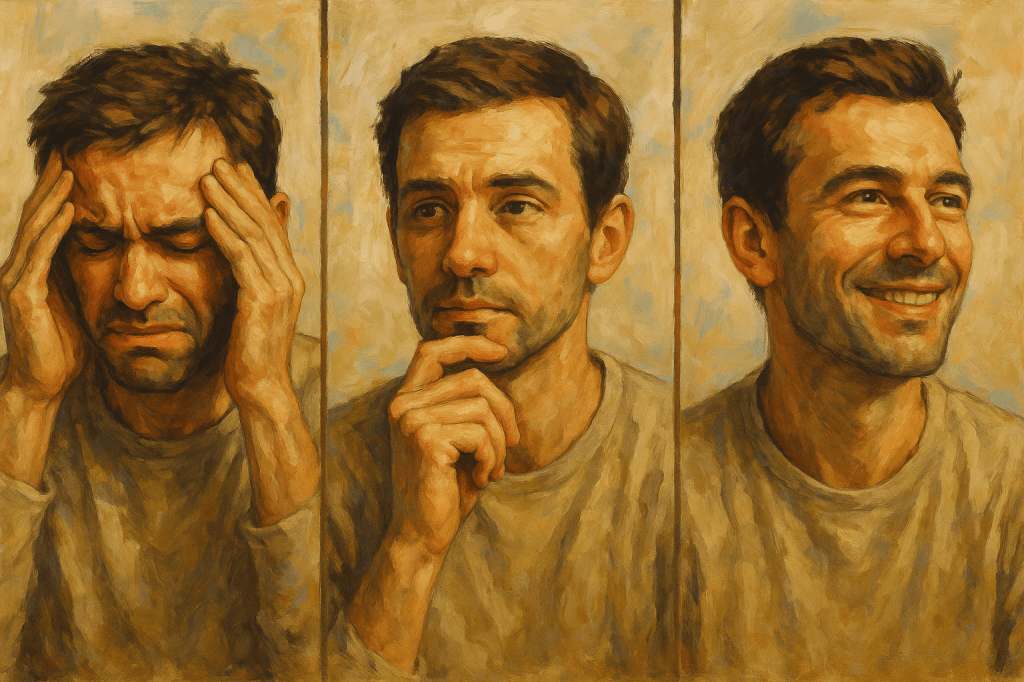
Introduction ADHD and OCD are psychiatric terms, but they are also moral postures. Modernity explains them through neurochemistry, cognitive models, and behavioural indices. Religion explains them through the nafs (soul)- the self in tension with itself. This is not metaphor. It is a competing anatomy. The Qur’an outlines three states of the human soul: These…
 Engraved Light